

Our Master of Arts in Education program is dedicated to advancing your knowledge and skills in the field of education and preparing you to become a proficient and impactful educator. Discover the exciting journey that awaits you in our MA Education course below!

The Master of Arts in Education major in Educational Management program is structured to furnish educators with advanced expertise in organizational leadership, strategic planning, and educational administration. This empowers them to navigate the evolving educational landscape, fostering the ability to instigate positive change and innovation within educational institutions.
The Program Chairperson
Dr. Marissa Ejercito-Borines, PD-SML

Dr. Marissa Ejercito-Borines, having recently earned her Post Doctorate in Strategic Management and Leadership (PD-SML) in 2022, followed swiftly by her Doctor of Philosophy in Educational Management (PhD), is dedicated to navigating the volatile, uncertain, complex, and ambiguous (VUCA) landscape within educational management. Currently serving as the Program Chairperson of the Graduate School of Education, she fulfills dual roles by imparting knowledge at both the graduate and undergraduate levels. At the undergraduate level, her expertise extends to teaching Special Needs Education and Early Childhood Education courses.
MA Education Objectives and Outcomes
The Program Educational Objectives (PEOs) of the Master of Arts in Education program are well-prepared for advanced roles in education, focusing on enhancing their knowledge, skills, and professional practices. These objectives ensure that graduates can contribute effectively to the field of education, whether in teaching, administration, policymaking, research and other related areas. At the end of the course, the MAED students are expected to:
ENVIRONMENTAL SCANNING
Analyze the internal and external environments to identify strengths, weaknesses, opportunities, and threats (SWOT analysis). This helps the students in assessing trends in education, policy changes, demographic shifts, and technological advancements making them aware of excellence in leadership, strategic planning, and decision-making with ethical codes and guidelines to become a successful professional in Management.
CORE PROFICIENCY
Manifest the ability to identify, analyze, and solve educational-related problems with hands-on experience & knowledge in various streams using modern tools and techniques necessary for professional holistic development to satisfy the needs of society and the industry. This fosters positive relations.
PROFESSIONAL DEVELOPMENT AND LIFELONG LEARNING
Engage in lifelong learning and continuous professional development, staying current with advancements in the field of education and contributing to their ongoing personal and professional growth.
CULTURAL COMPETENCE AND SOCIAL RESPONSIVENESS
Demonstrate leadership, cultural competence, and responsiveness, effectively addressing the needs of diverse learners and promoting inclusive educational environments.
EXCELLENCE IN RESEARCH AND PUBLICATION
Conduct rigorous educational research, utilizing appropriate methodologies to investigate educational problems, contribute to scholarly literature, and inform evidence-based practices leading to institutions that will lead to fruitful new scientific collaborations, further innovations, and great contributions to society’s welfare.
_____
PROGRAM LEARNING OUTCOMES (PLOs)
Master of Arts in Education (M.A.Ed.) programs aim to develop educators who are skilled, knowledgeable, and capable of enhancing educational practice and policy. The learning outcomes of such programs vary based on the specific focus and institution but generally include the following core areas:
| PLO 1. | Demonstrate leadership and advocacy skills in educational contexts. |
| PLO 2 | Apply critical thinking and problem-solving skills to educational challenges. |
| PLO 3 | Demonstrate a deep understanding of educational theories and their application to practice. |
| PLO 4 | Design, implement, and assess effective instructional practices. |
| PLO 5 | Integrate technology effectively into teaching and learning. |
| PLO 6 | Adhere to ethical and professional standards in educational practice. |
| PLO 7 | Engage in continuous professional development and reflective practice. |
| PLO 8 | Promote diversity, equity, and inclusion in educational settings. |
| PLO 9 | Exhibit effective communication and collaboration skills. |
| PLO 10 | Conduct, analyze, and apply educational research to improve practice. |
| PLO 11 | Apply educational research to address practical problems in education. |
| PLO 12 | Implement research-based theories and practices to improve educational outcomes. |
Accreditation

LEVEL III ACCREDITATION
Association of Christian Schools Colleges and Universities
Accrediting Council Incorporated
Affiliations



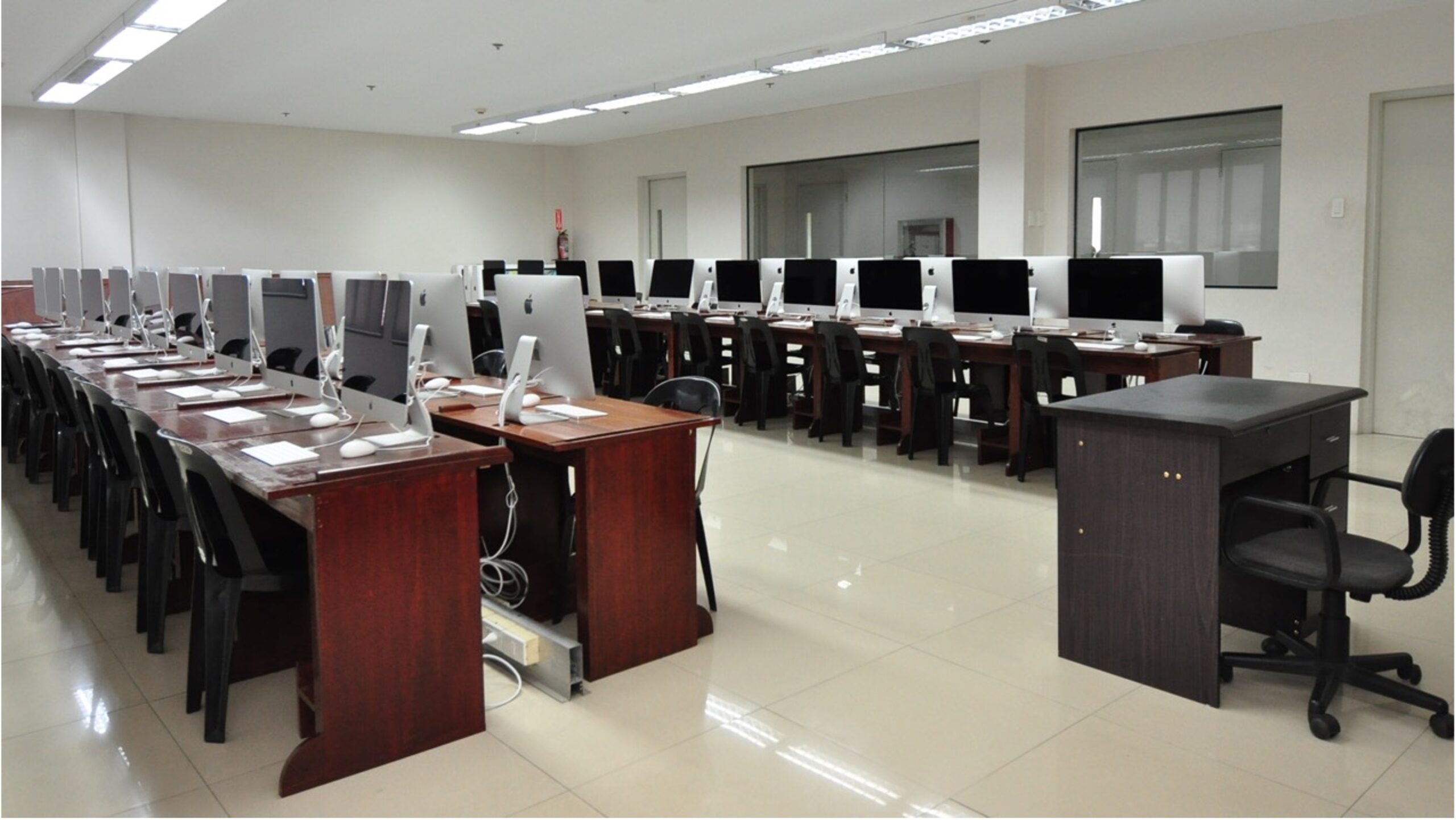
Graduate School Facilities
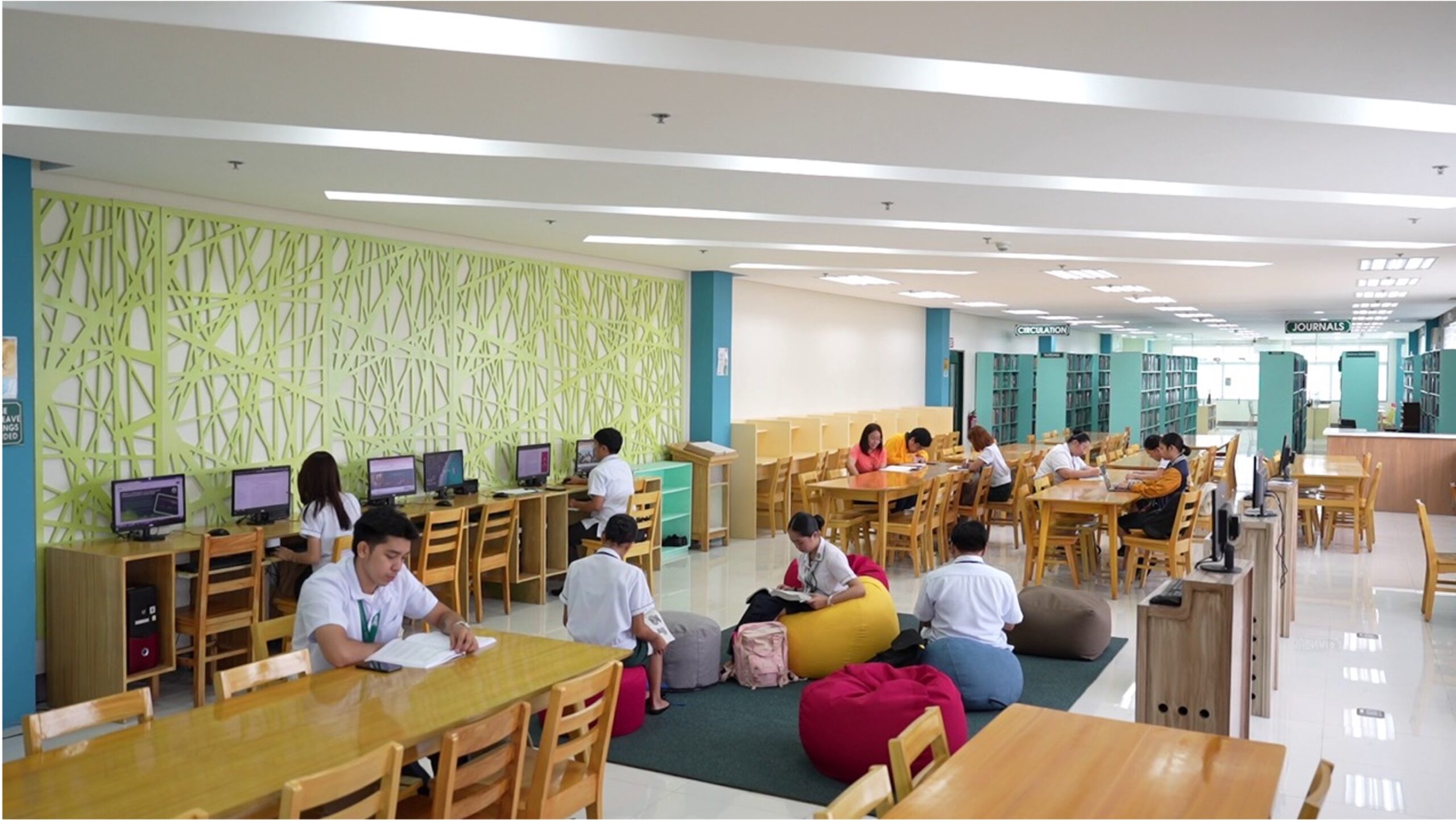
The Graduate School facilities at Trinity University of Asia are designed to offer students a modern and functional environment for advanced learning. Equipped with up-to-date resources, the classrooms facilitate interactive learning experiences. The Graduate School Library located at Mandell Hall provides extensive educational materials to support research and academic pursuits. The campus environment fosters collaboration and scholarly engagement among the academic community.






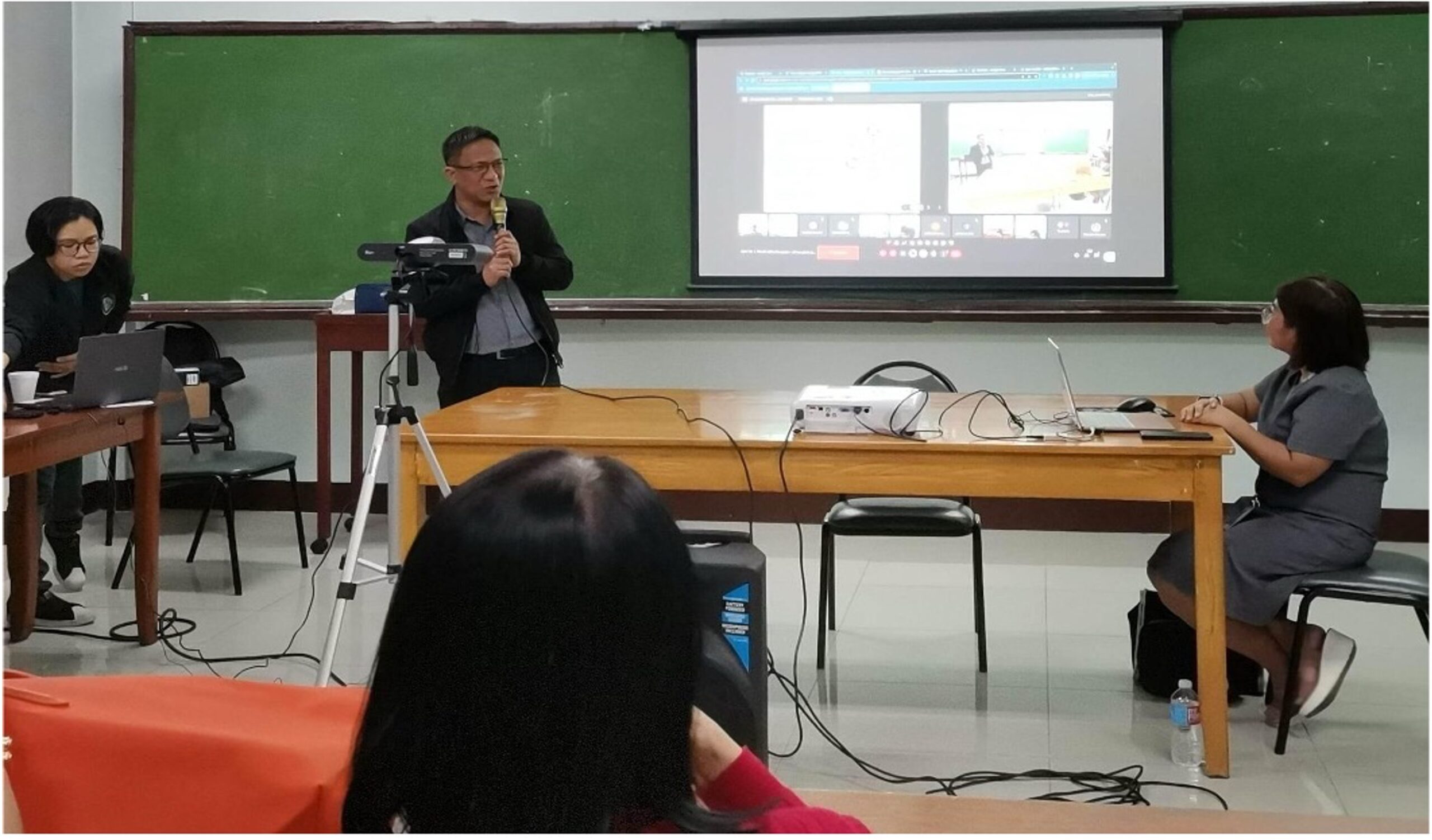
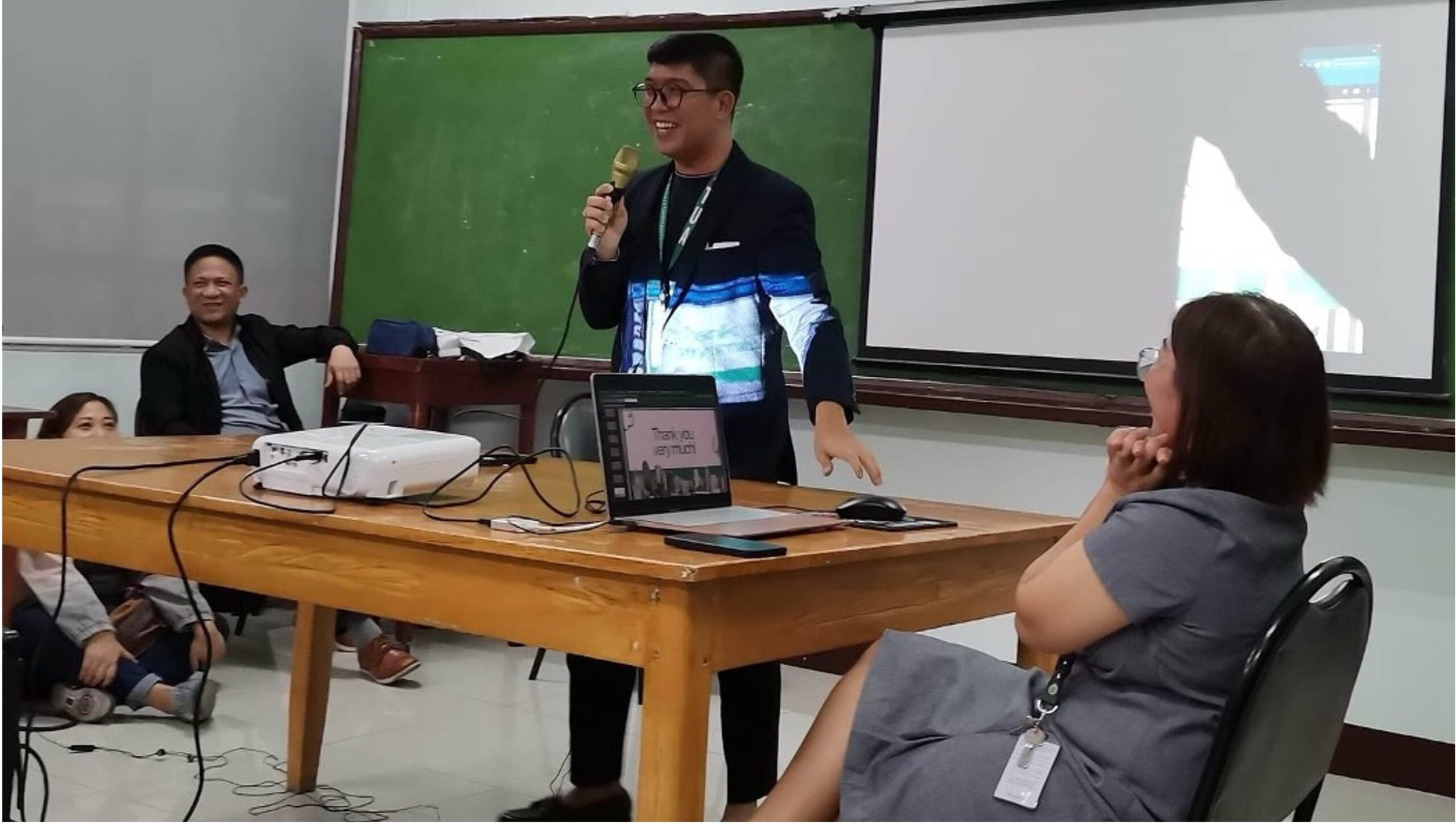
Graduate School Activities
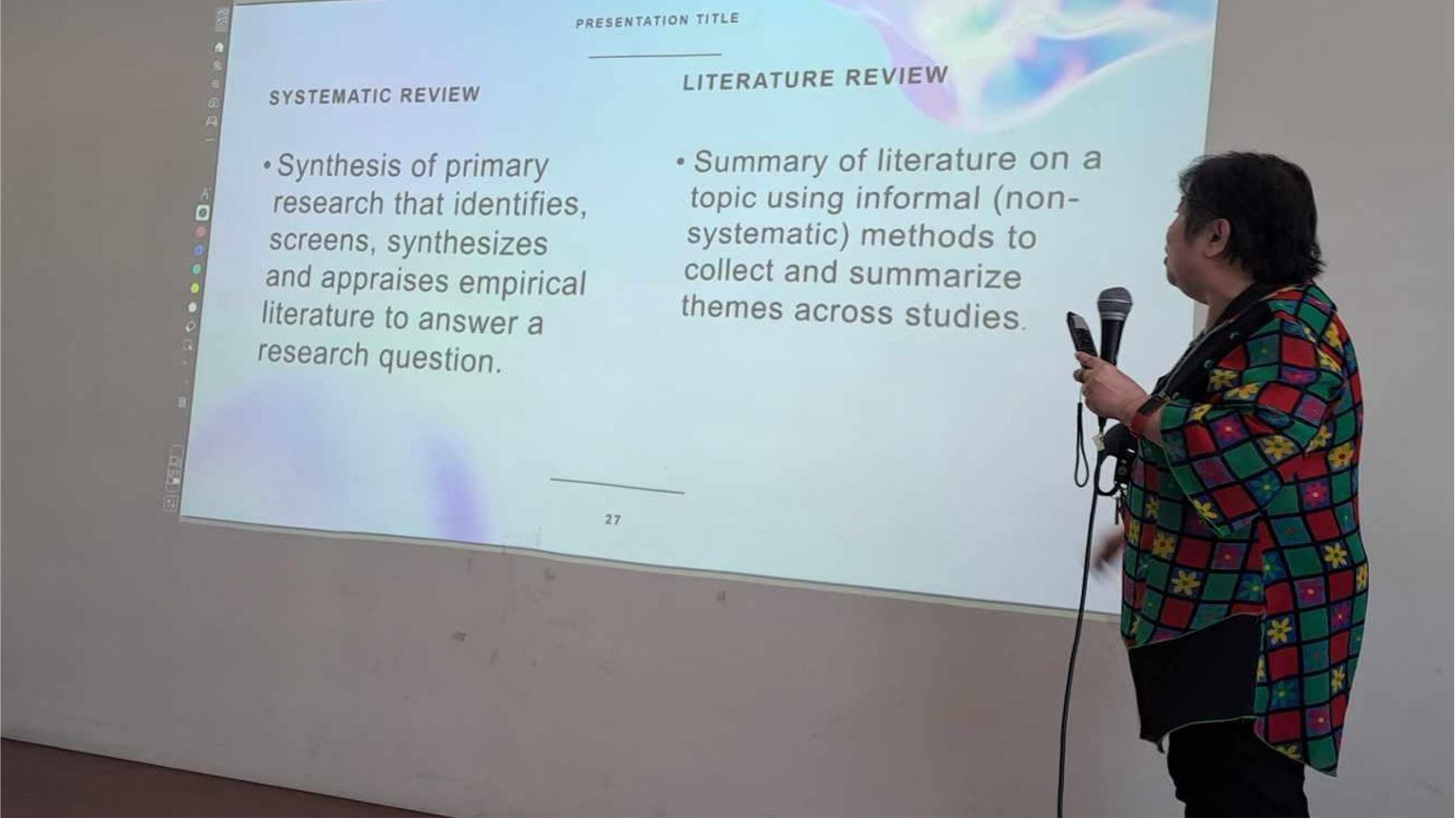
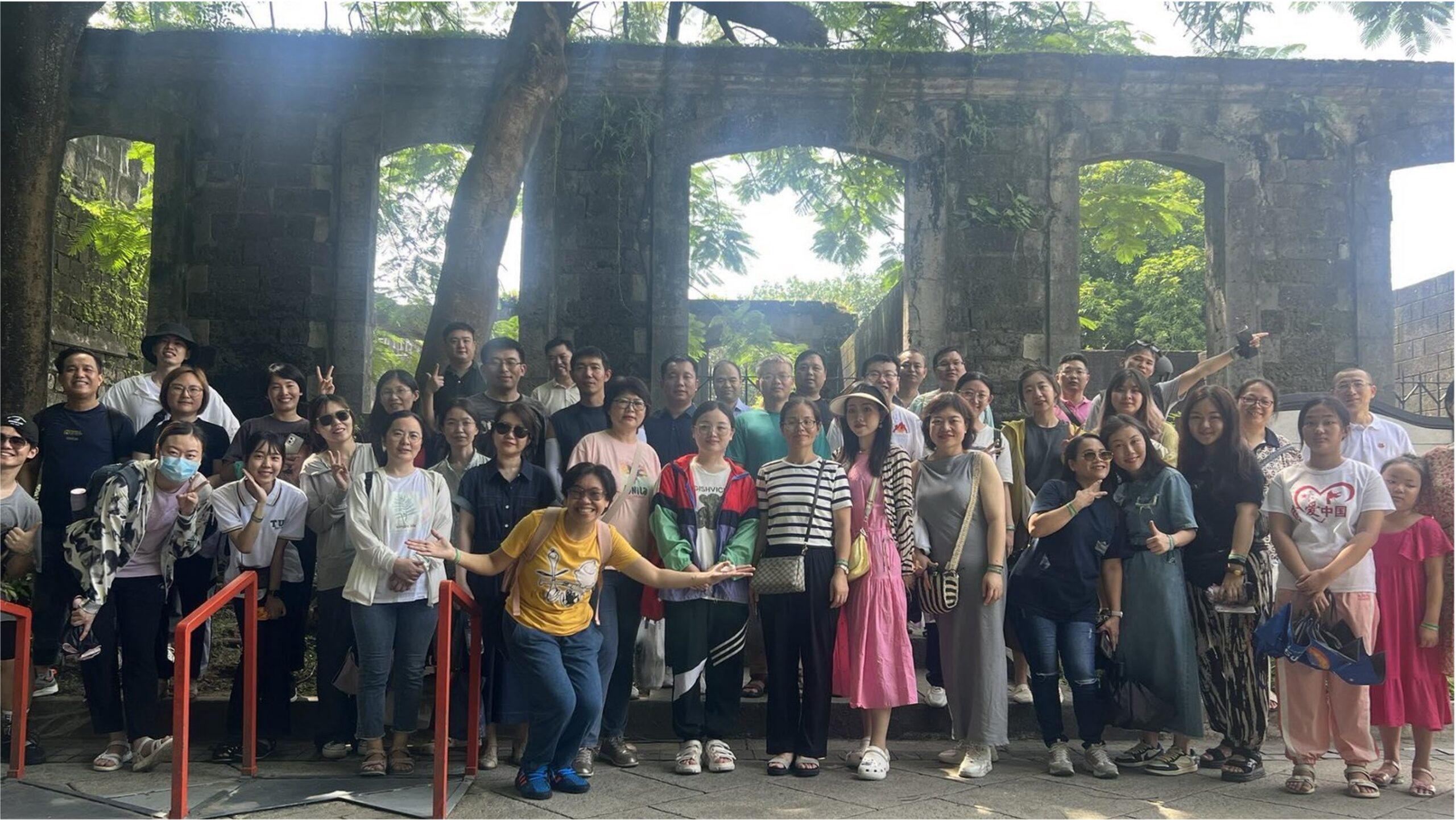
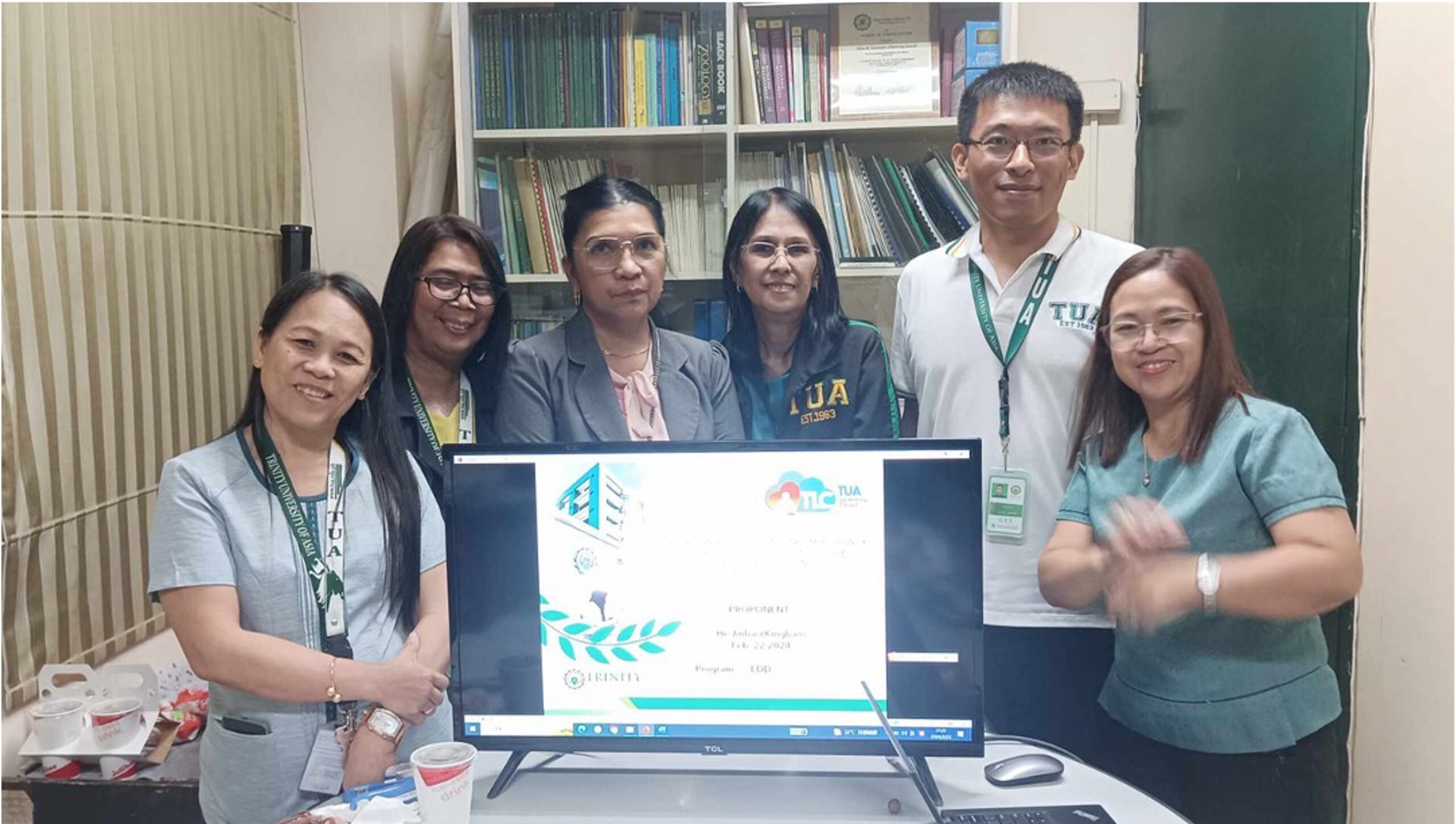
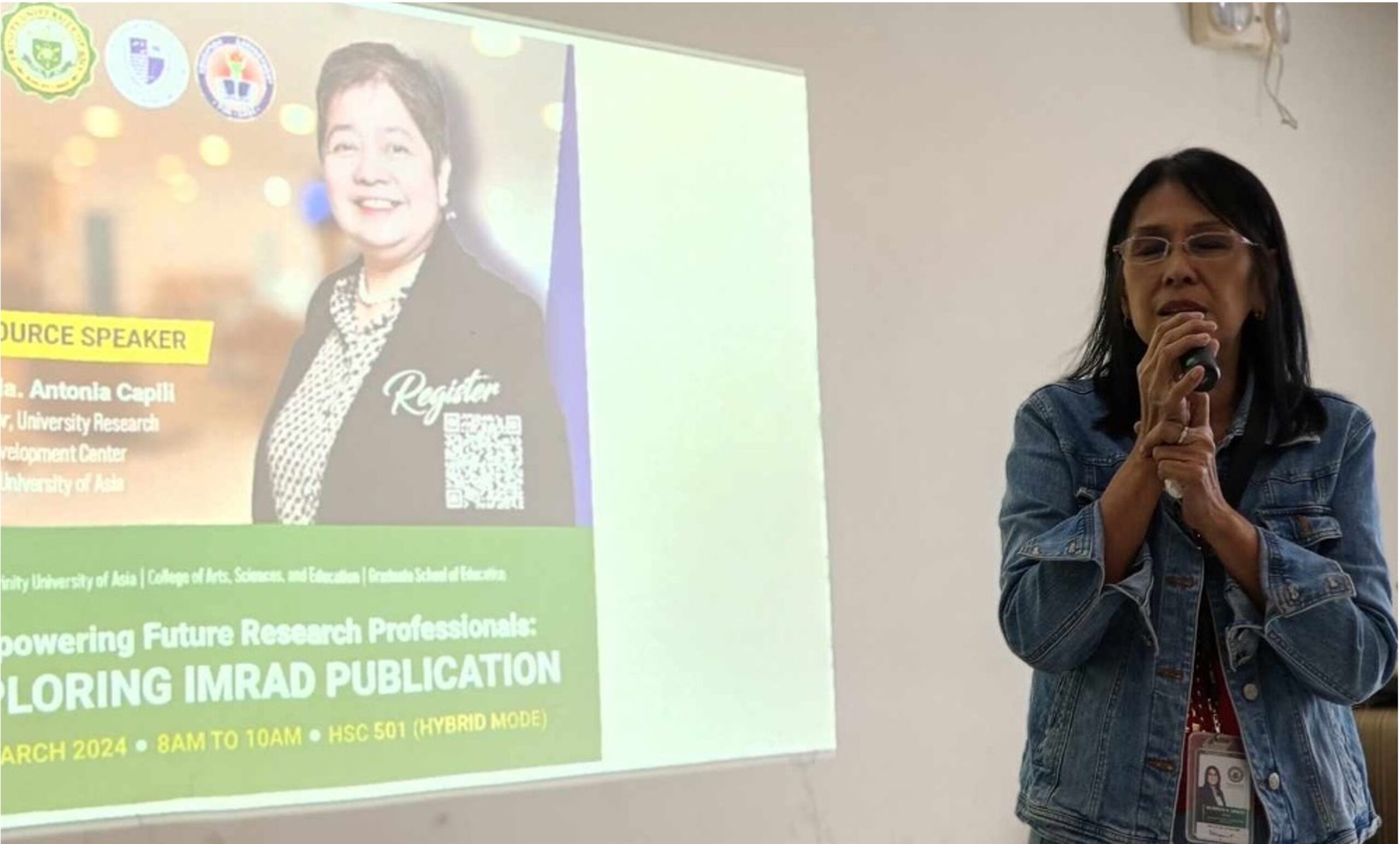
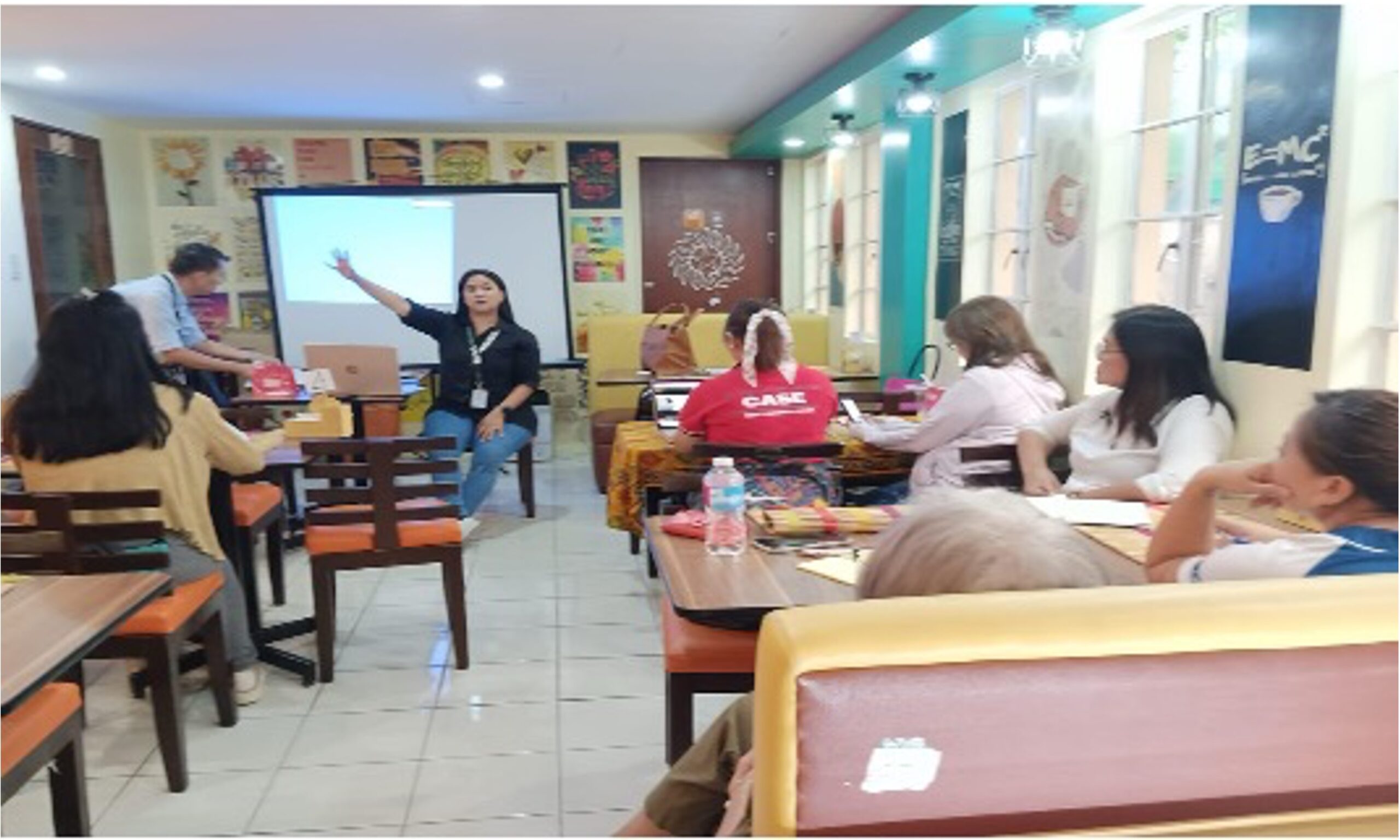
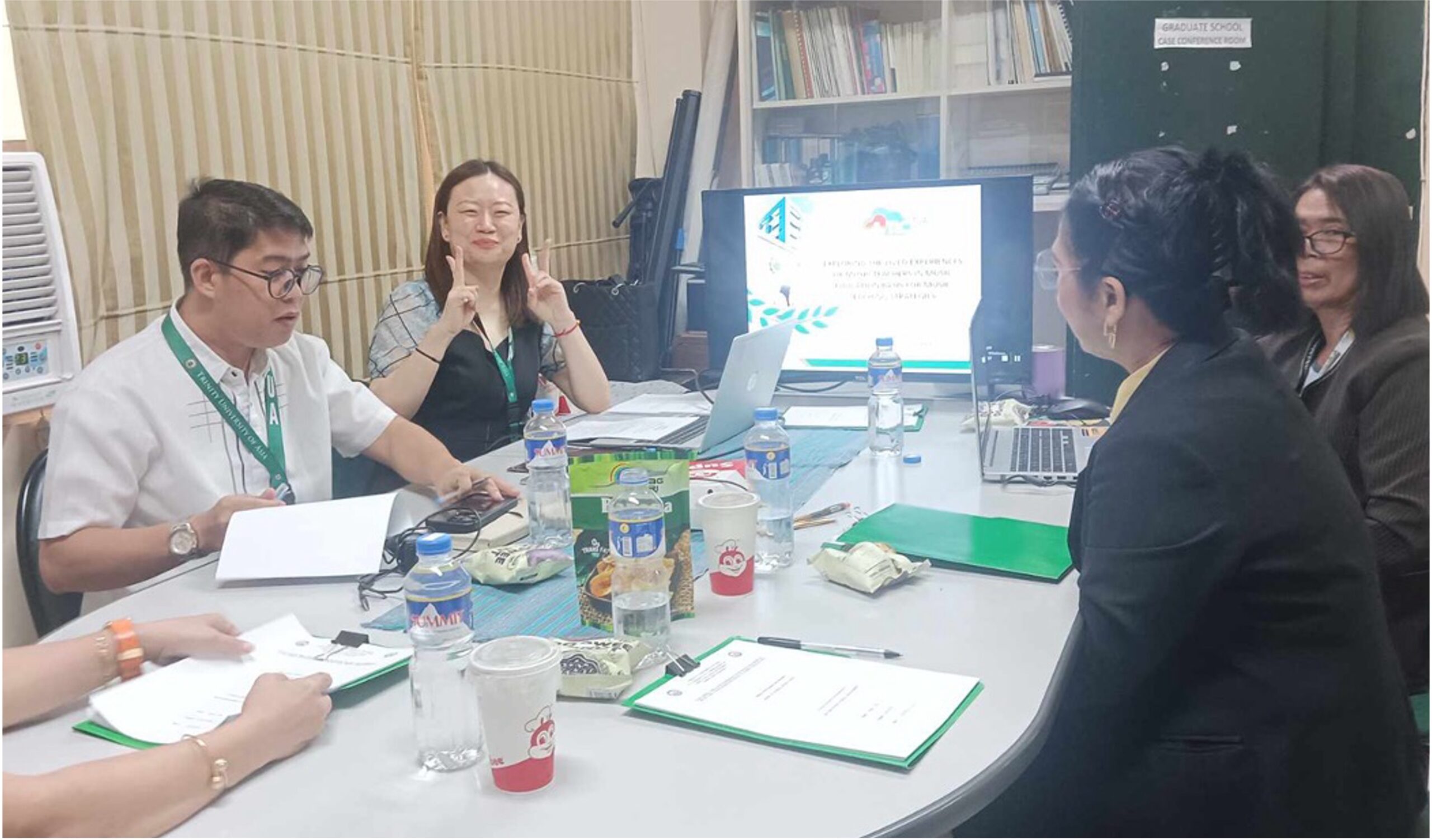
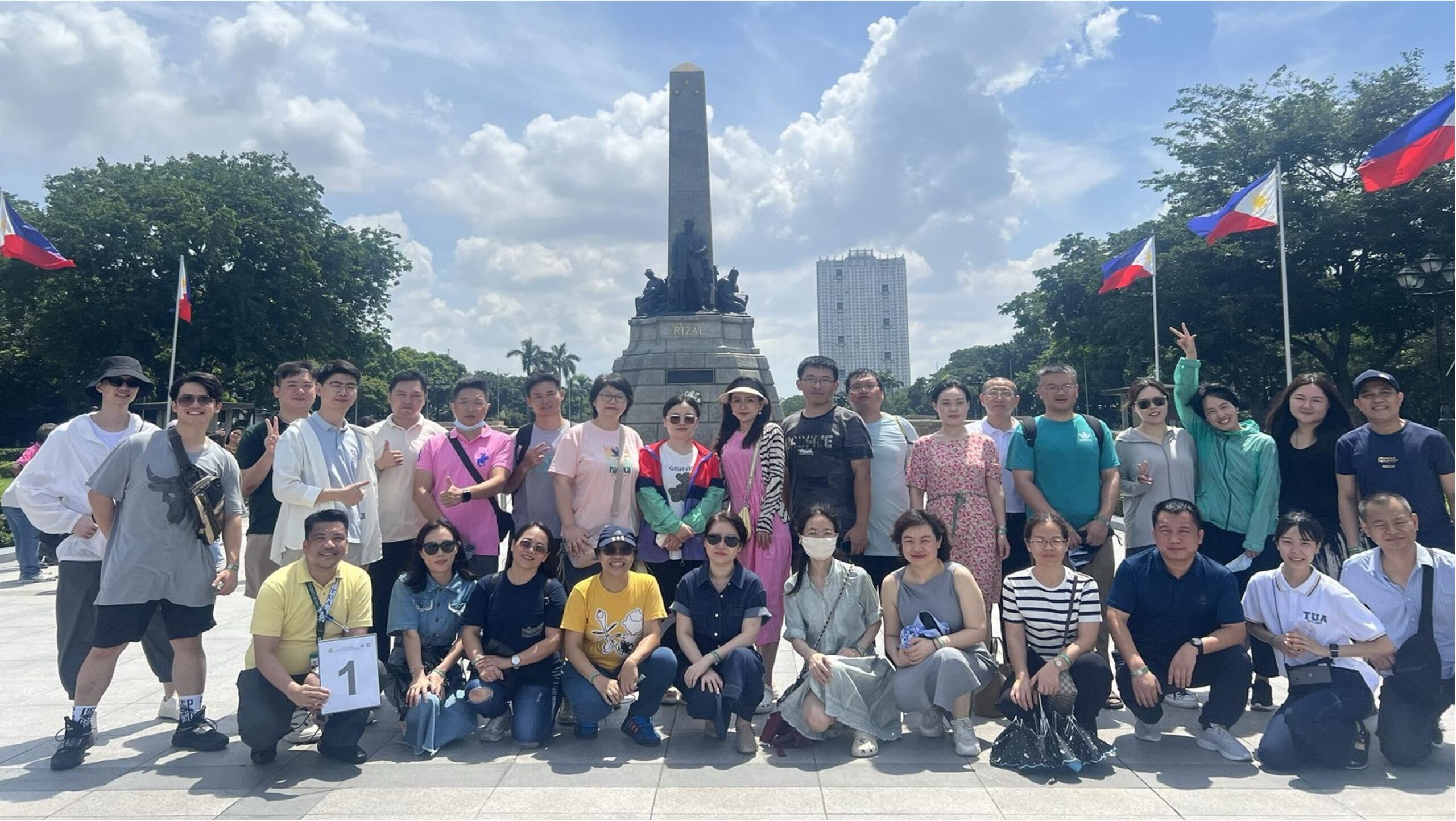
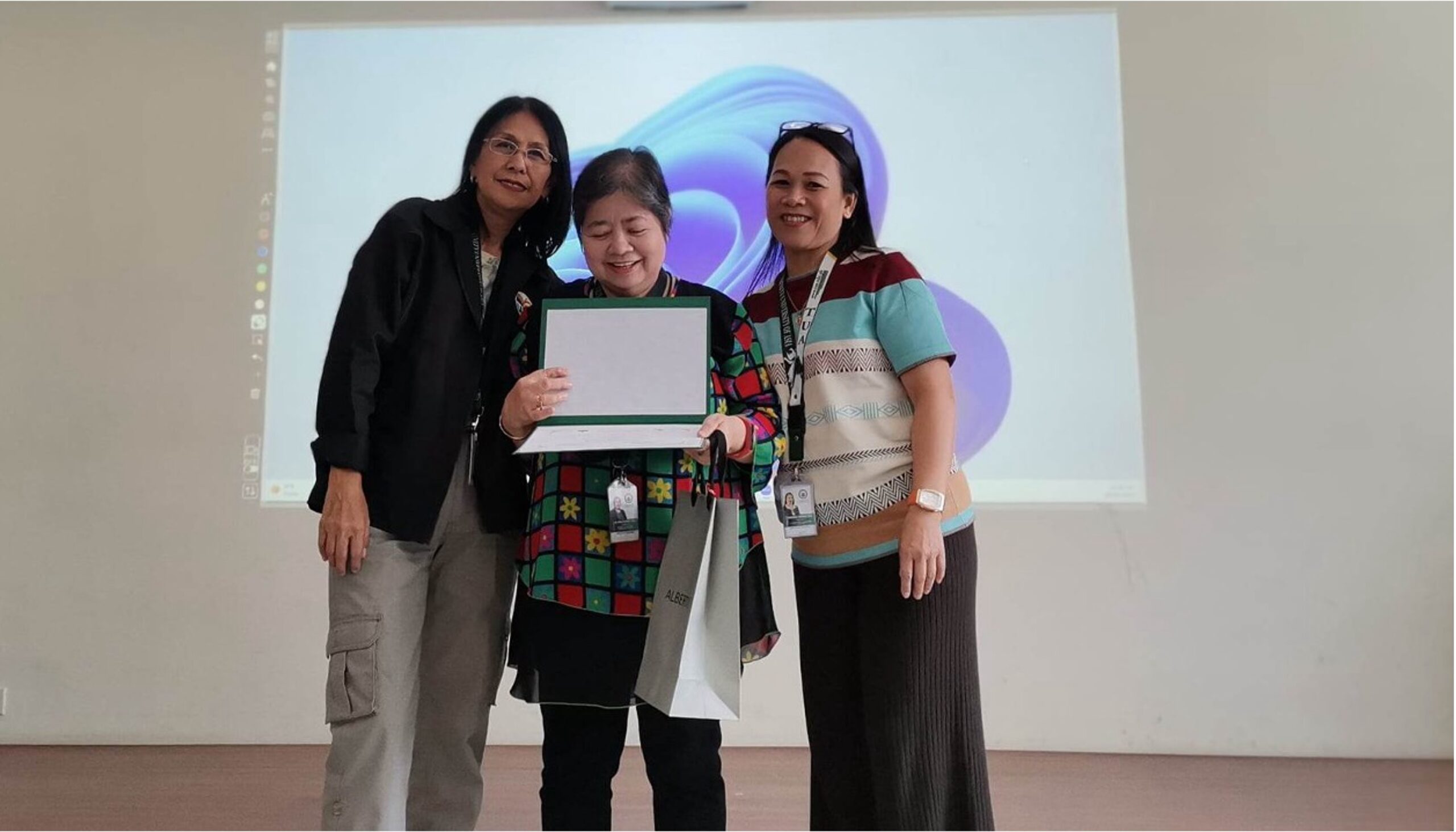
In the Graduate School of Education, students actively engage in a variety of activities tailored to enhance their expertise and broaden their impact in the field. These include active involvement in community outreach initiatives, participation in national conferences, attendance at specialized seminars, and contributions to research colloquia.









MA Education Degree Admission Requirements
REQUIREMENTS
—
PROCEDURES
—
Graduation Requirements
REQUIREMENTS
Our MA Education in Educational Management program consists of Coursework (24 units), Practicum (3 units), and Capstone (6 units). Completion of three (3) practicum areas (100 hours/area): Strategies, School, and Assessment. Completion of comprehensive examination and capstone project.
Complete MA Education Courses & Curriculum
The core subjects of MA Education typically include Curriculum Development and Management and Educational Planning and Management. Students also study Trends and Issues in Education as well as Data Analytics Applied to Education.
CURRICULUM
Philosophical, Psychological, and Socio-Cultural and Legal Foundations of Education
Trends and Issues in Education (Philippines & ASEAN Countries)
Data Analytics Applied to Education
Practicum 1 – Strategies (100 Hours)
Capstone 1 – Needs Assessment and Proposal
Curriculum Development and Management
Education Resources and Instructional Technology Management
Fiscal Management in Education
Practicum 2 – School (100 Hours)
Capstone 2 – Seminar and Progress Report
Comprehensive Exam
Educational Planning and Management
Human Resources Management
Practicum 3 – Assessment (100 Hours)
Capstone 3 – Data Analysis
Capstone 4 – Thesis Writing and Presentation
MA Education Job Opportunities
Graduates of the Master of Arts in Education program have a wide range of career options available to them, including:
JOB OPPORTUNITIES
| JOB TITLE | JOB DESCRIPTION | AVERAGE MONTHLY INCOME |
| School Principal/Administrator | School principals or administrators oversee the daily operations of educational institutions, manage staff, develop educational policies, and ensure compliance with academic standards and regulations. | ₱50,000.00 to ₱100,000.00 |
| Educational Consultant | Educational consultants provide expertise and guidance to schools, districts, or educational organizations in areas such as curriculum development, instructional strategies, assessment, and educational technology integration. | ₱40,000.00 to ₱80,000.00 |
| College/University Professor | College or university professors teach courses, conduct research, and publish scholarly work in their area of expertise. They may also supervise graduate students, advise on academic matters, and participate in institutional service activities. | ₱40,000.00 to ₱100,000.00 |
| Curriculum Developer/Instructional Designer | Curriculum developers or instructional designers design and create educational materials, courses, and programs to meet specific learning objectives and standards. They may work for schools, publishing companies, or educational technology firms. | ₱40,000.00 to ₱70,000.00 |
| Education Program Coordinator | Education program coordinators plan, implement, and evaluate educational programs and initiatives within schools, non-profit organizations, or government agencies. | ₱30,000.00 to ₱60,000.00 |
Data source: JobStreet Career Advice Explore Salaries and Trinity University of Asia Careers Directory in partnership with Prosple